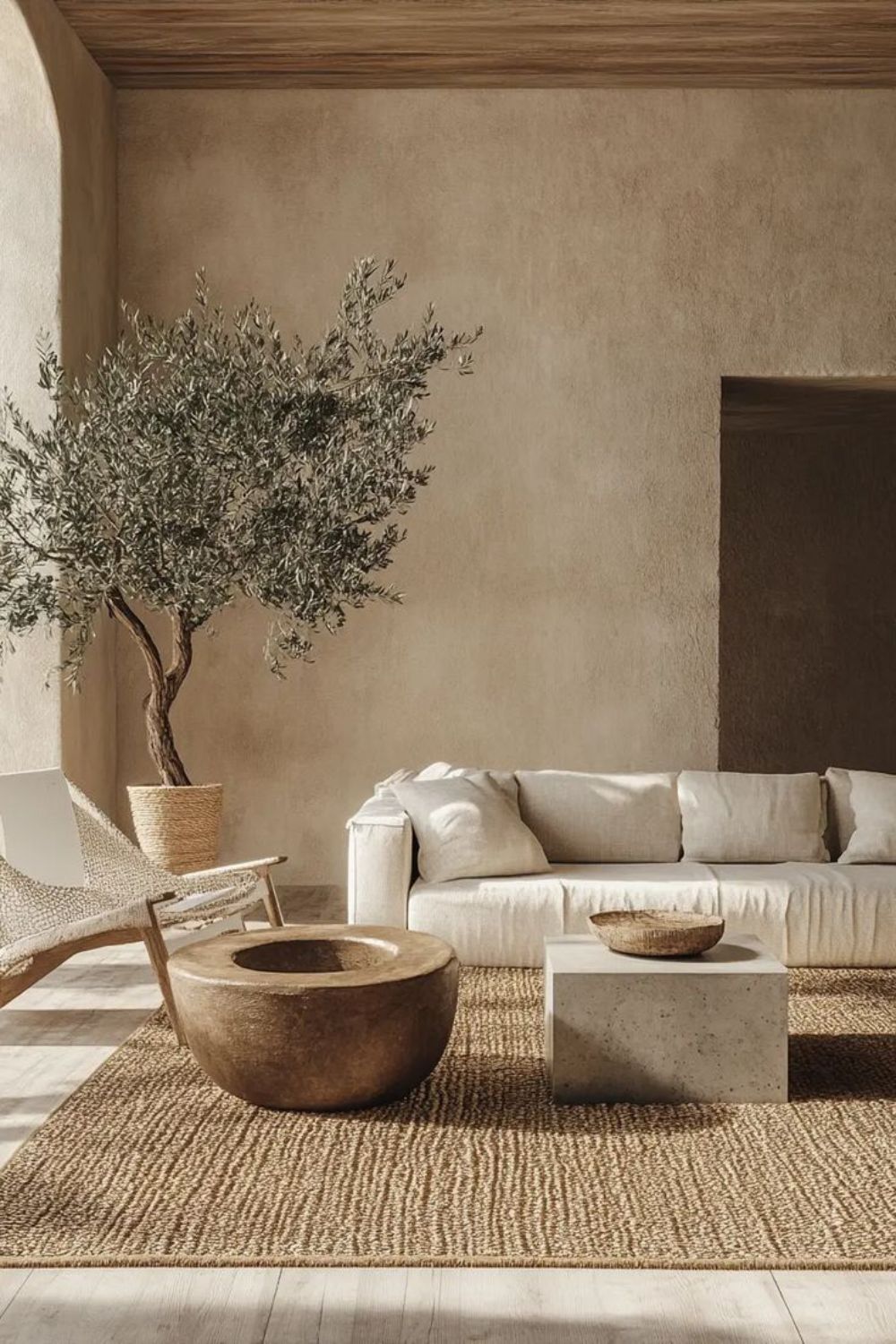
If you crave a home that feels calm, grounded, and effortlessly beautiful, the kind of space that breathes with light and texture, organic modern style may be exactly what you’re looking for.
It’s more than a trend. It’s a lifestyle rooted in natural materials, clean lines, and thoughtful simplicity.
Unlike fast-changing decor trends, organic modern interior design invites you to slow down. It blends the warmth of earthy elements with the structure of modern design, resulting in homes that feel both peaceful and sophisticated.
In this detailed guide, I’ll walk you through exactly what organic modern style is, how it differs from other styles, and how you can bring it into your own space, no matter your budget or room size.
- What Is Organic Modern Style?
- How Organic Modernism Is Different From Other Styles
- A Brief History of Organic Modernism
- What Are The Core Principles of Organic Modern Style?
- Organic Modern Color Palette
- Key Materials in Organic Modern Interior Design
- How To Style Your Home in Organic Modern Design
- Textures That Bring Organic Modern Style To Life
- Lighting in Organic Modern Interior Design
- Decor Accents and Art
- Plants and Greenery: A Must-Have
- Final Words
- Frequently Asked Questions About Organic Modern Style
What Is Organic Modern Style?
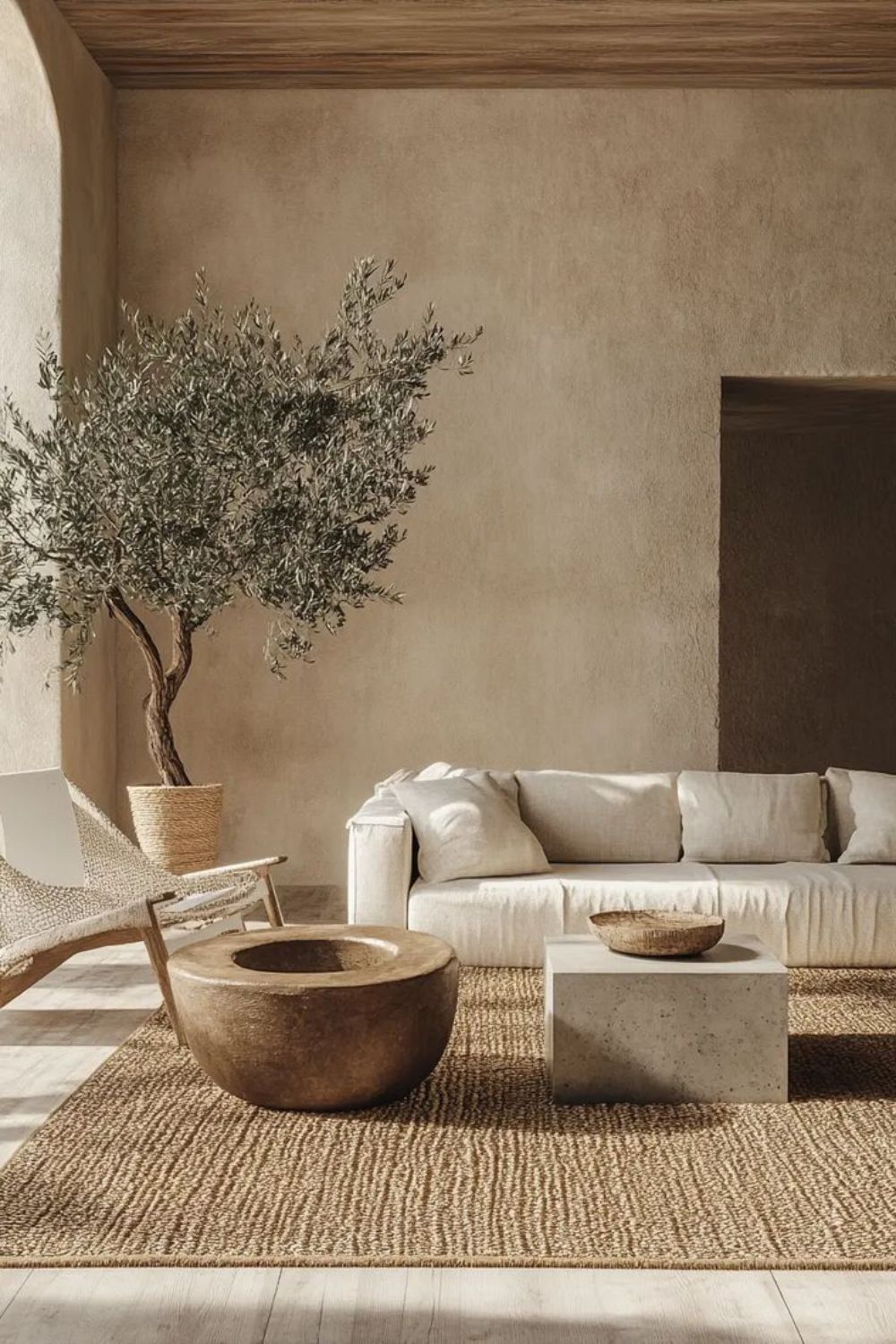
Organic modern interior design is a timeless style that combines the clean lines of modernism with the warmth and texture of nature. Think of minimalist spaces that feel warm instead of cold. They feel alive thanks to natural materials, neutral palettes, and intentional design choices.
At its core, organic modern style is about balance. It merges:
- The structure and simplicity of modern design
- The softness and grounding of organic textures
- A commitment to sustainability and calm living
It’s a style that feels curated but never overdone making your home both beautiful and livable.
How Organic Modernism Is Different From Other Styles
Let’s clarify how organic modern style stands out:
| Style | Organic Modern | Minimalism | Japandi | Boho |
|---|---|---|---|---|
| Focus | Nature + warmth | Bare simplicity | Calm function | Eclectic expression |
| Materials | Wood, stone, linen | Glass, metal | Wood, bamboo, stone | Macrame, vintage fabrics |
| Colors | Earth tones | White + black | Neutrals + dark contrast | Vibrant + earthy |
| Vibe | Grounded, soft | Sleek, empty | Zen, structured | Free-spirited, layered |
While minimalist interiors may feel stark or cold, and boho spaces may feel layered and busy, organic modern offers a calm middle ground: clean but cozy, stylish but rooted.
Why Organic Modern Style Is Timeless
Trends come and go but nature is eternal. That’s the secret behind organic modern’s staying power. Instead of chasing seasonal colors or trendy new furniture, this design style draws from what’s always relevant:
- Raw materials like stone, clay, and wood
- Earth-inspired color palettes
- Design that prioritizes well-being, simplicity, and light
In a fast-paced world, organic modern offers a soothing antidote: a home that doesn’t just look good but also feels good.
A Brief History of Organic Modernism
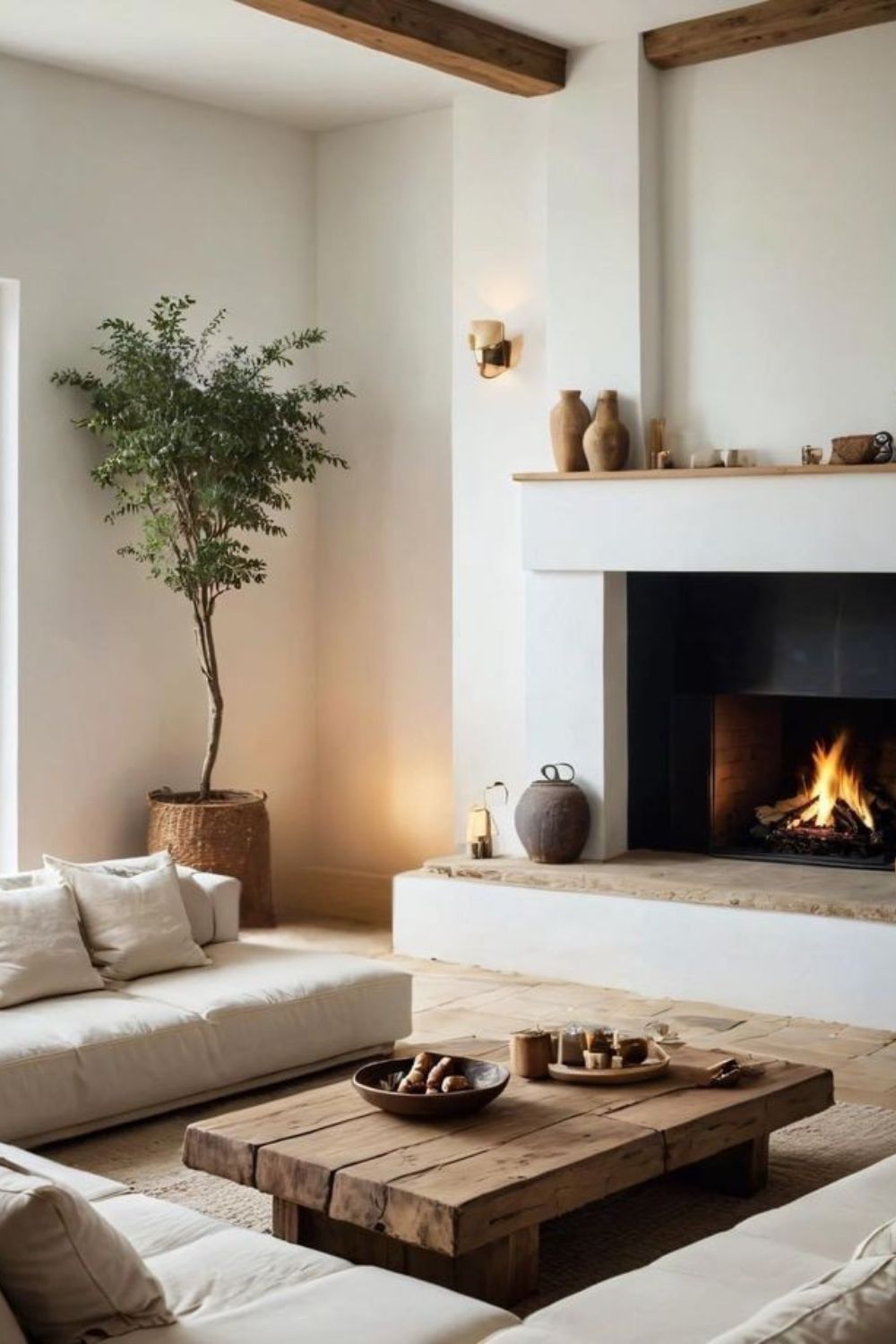
Organic modern interior design did not appear overnight. It evolved from key design philosophies that emphasized simplicity, natural beauty, and human well-being.
At its foundation, organic modern style blends the clean structure of mid-century modern design with the warmth and natural textures found in traditional craftsmanship and organic architecture.
The roots of this style trace back to the mid-twentieth century. During this period, mid-century modern design emerged with a focus on open spaces, minimal ornamentation, and functional furniture.
While this movement embraced innovation, it often lacked the tactile warmth that makes a home feel grounded.
Enter Frank Lloyd Wright, whose philosophy of “organic architecture” prioritized harmony between structures and the natural environment. His use of local materials, open floor plans, and integration with surrounding landscapes planted the seeds for a design style that felt both modern and rooted in nature.
Scandinavian design also played a major role. Known for its focus on natural light, simplicity, and comfort, it brought a softer, more livable sensibility to modern interiors. The combination of these two movements created the foundation for what we now recognize as organic modern design.
In recent years, especially following the global pandemic, organic modernism has seen a major revival.
As people spent more time at home, they began to seek spaces that were not just stylish but also peaceful, nurturing, and connected to nature. This return to slow, intentional living has made organic modern style one of the most desirable and enduring interior styles of our time.
What Are The Core Principles of Organic Modern Style?
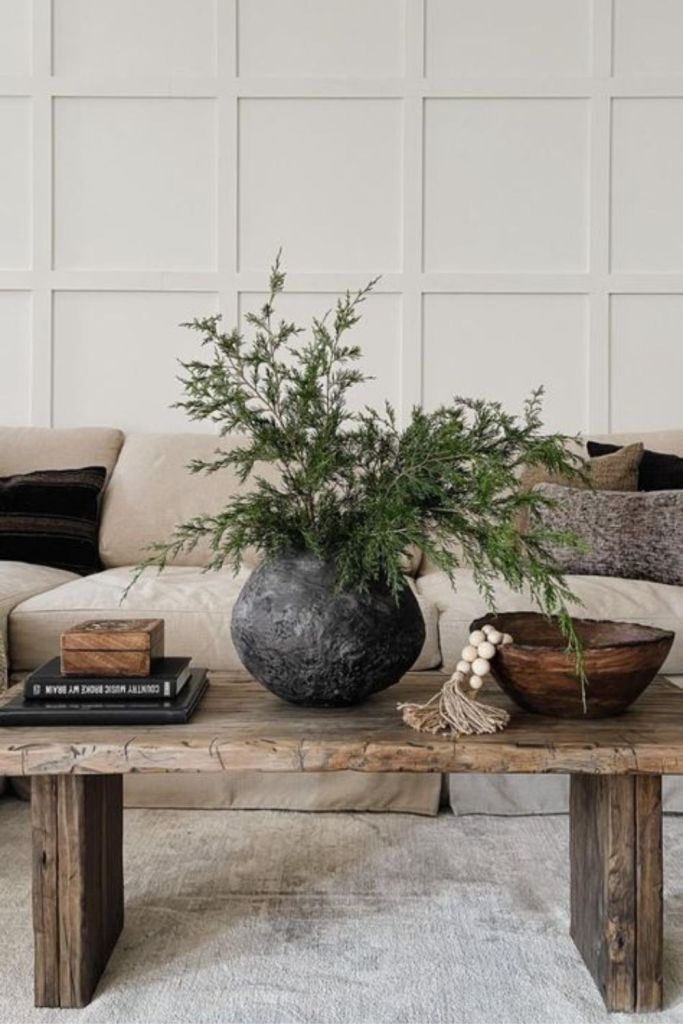
Organic modern style may appear effortless, but it is guided by a thoughtful set of principles that bring balance, comfort, and cohesion to a space. These key ideas help define the style and make it both visually appealing and emotionally grounding.
1. Balance of Clean Lines and Natural Forms
At the heart of organic modern style is the contrast between structure and softness. Modern furniture tends to have clean lines and simple shapes, while organic elements bring in irregular, fluid forms found in nature.
A sculptural wood coffee table, a curved-edge sofa, or a stone vessel sink are all examples of how these contrasting shapes work together. This balance keeps the design from feeling either too cold or too rustic. It allows a home to feel refined without losing its natural warmth.
2. Minimalism with Warmth
While organic modern style draws inspiration from minimalism, it avoids the sterile, overly sparse feel of some minimalist interiors. The goal is to create a space that feels calm, not empty.
This is achieved by choosing fewer, better pieces. Every object in the room serves a purpose and contributes to the overall feeling of comfort and harmony. Warm neutrals, soft lighting, and natural textures bring a sense of coziness to the minimal foundation.
3. Use of Natural Materials
One of the most defining features of organic modern interior design is the use of raw, unprocessed, or sustainably sourced materials. Wood, stone, clay, linen, wool, and rattan are common choices that add texture and authenticity to a space.
These materials are often left in their natural state to showcase imperfections, grains, or fibers. This subtle detail adds richness without overwhelming the space.
4. Focus on Functionality and Flow
Organic modern interiors are designed with daily life in mind. Furniture layouts support conversation, movement, and comfort. Storage solutions are often built-in or intentionally placed to reduce clutter.
Spaces are arranged to flow naturally from one to the next, whether it is a small apartment or an open-concept home. The focus is not just on how a room looks, but how it feels and functions.
5. Connection to the Outdoors
Nature is not only an inspiration in organic modern design, it is part of the design itself. Large windows, glass doors, and open floor plans help blur the line between indoors and outdoors.
Where possible, views of greenery or natural landscapes become focal points. Even in urban settings, incorporating houseplants, natural light, and earthy colors helps reinforce this sense of connection to the outside world.
Organic Modern Color Palette
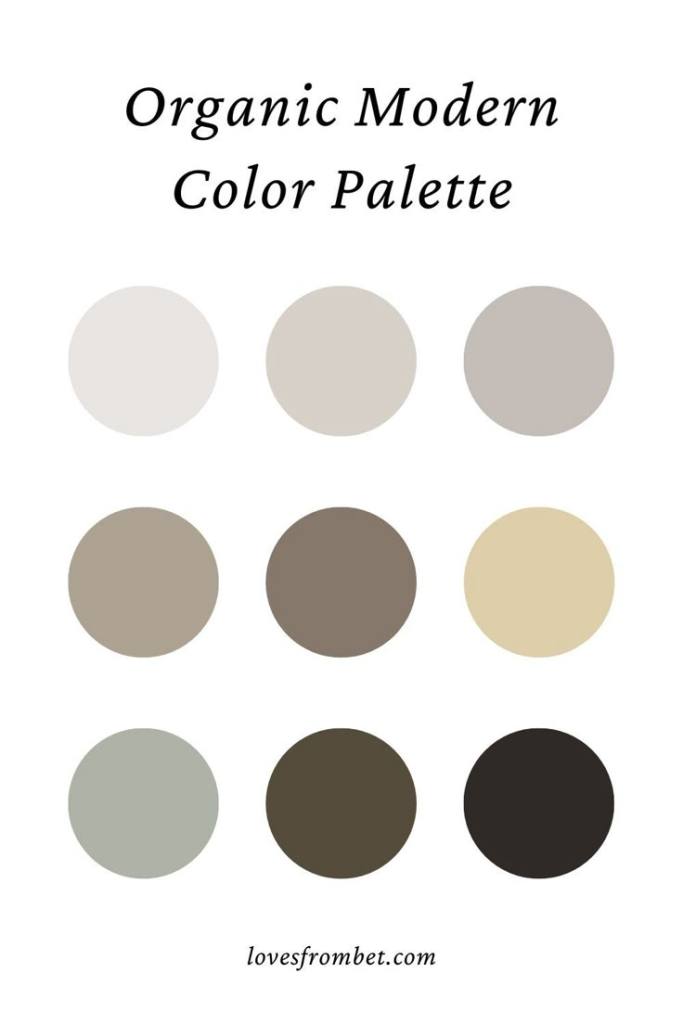
Color plays a central role in creating the calm and grounded atmosphere that defines organic modern style. Instead of relying on bold or trendy colors, this style draws from the natural world. The result is a palette that feels soft, timeless, and easy to live with.
Primary Color Palette
The foundation of organic modern style begins with warm, muted neutrals. These shades reflect materials found in nature such as sand, stone, and untreated wood. When used consistently, they create a light and airy environment that feels balanced and cohesive.
Common base colors include:
- Beige
- Cream
- Warm white
- Light brown
- Soft gray
These tones work especially well on walls, upholstery, curtains, and larger furniture pieces. They also act as a neutral backdrop for introducing more textured or colored accents.
Accent Colors
While the base palette remains soft and neutral, organic modern style often include earth-inspired accent colors to bring subtle contrast and personality into the space. These accents are not overpowering. Instead, they echo tones found in nature and are used with intention.
Popular accent colors include:
- Sage green
- Olive green
- Rust or terracotta
- Charcoal or soft black
You might see these shades appear in throw pillows, ceramics, art, light fixtures, or even cabinetry and window frames. When used sparingly, they add depth without disturbing the overall calm of the room.
How to Layer Colors for Depth and Harmony
A key to mastering organic modern style is layering multiple shades within a similar palette. This prevents the space from feeling flat while maintaining a cohesive and understated look.
For example, you might pair cream walls with a light beige sofa, a darker wood coffee table, and soft gray stone accents. Even though the colors are all neutral, the subtle variation creates movement and visual interest.
Some tips for layering colors in organic modern interior design:
- Combine warm and cool neutrals to keep the space balanced
- Use black or dark accents to define and ground lighter tones
- Let natural materials contribute their own color tones
- Introduce greenery or rust-colored details for added warmth
By building your palette this way, you allow the space to feel serene but not sterile. The result is a timeless color story that supports both comfort and sophistication.
Key Materials in Organic Modern Interior Design
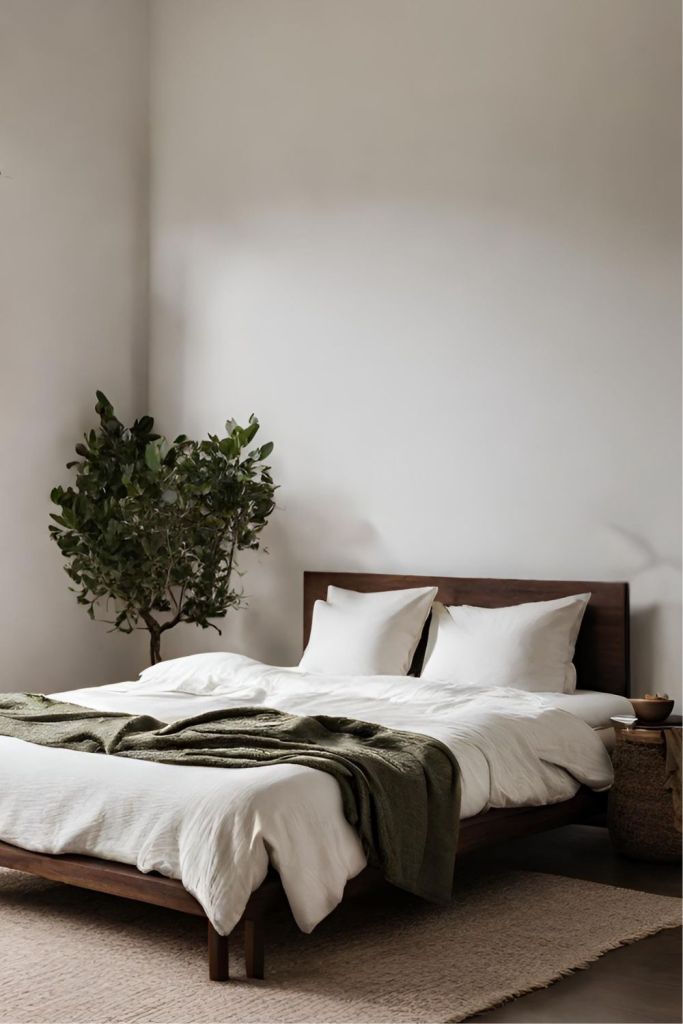
Materials are at the heart of organic modern interior design. Instead of shiny finishes or synthetic fabrics, this style emphasizes natural elements that bring warmth, texture, and authenticity into the home. The focus is on materials that feel real to the touch, age beautifully, and connect the space to the natural world.
1. Wood
Wood is one of the most important materials in organic modern interiors. It adds depth, warmth, and a sense of grounding. This style favors visible wood grain and a matte or raw finish rather than high gloss.
Common wood types include:
- Oak for its light, timeless tone
- Walnut for its rich, dark warmth
- Reclaimed wood for its character and sustainability
Wood is used across furniture, flooring, shelving, and accent pieces, helping create a sense of cohesion and natural beauty.
2. Stone
Stone surfaces add a sense of calm and permanence. Whether polished or raw, stone brings organic texture and variation into a space.
Popular stone choices include:
- Marble for its elegance and veining
- Travertine for its soft, earthy tone
- Slate for its depth and natural matte finish
Stone can be used in kitchen countertops, coffee tables, backsplashes, or even decorative elements like trays and vases.
3. Natural Fibers
Textiles in an organic modern home are chosen for both comfort and texture. They help soften the clean lines of modern furniture and add visual warmth without clutter.
Key materials include:
- Linen for its breathable, relaxed texture
- Cotton for its softness and versatility
- Jute for its coarse, rustic look in rugs or baskets
- Rattan for woven pieces that add an airy, handmade feel
These materials are typically used in neutral tones, allowing their texture to take the spotlight.
4. Clay, Ceramic, and Metal
Finishing touches in an organic modern space often come in the form of small decor items and lighting made from simple, tactile materials.
- Clay and ceramic are common in vases, dishware, and handmade accessories
- Matte black or brushed metal is used for lighting, hardware, and fixtures to provide contrast and structure
These accents help maintain the style’s natural look while adding subtle detail and modern refinement.
By combining these core materials, organic modern homes achieve a balance between structure and softness, simplicity and richness. Each material contributes to a cohesive design language that is calm, grounded, and timeless.
How To Style Your Home in Organic Modern Design
Bringing organic modern design into your home involves more than just choosing the right materials. Each room should reflect the style’s core values simplicity, warmth, and a connection to nature while still serving your daily needs.
Below is a breakdown of how to apply organic modern style room by room.
1. Living Room
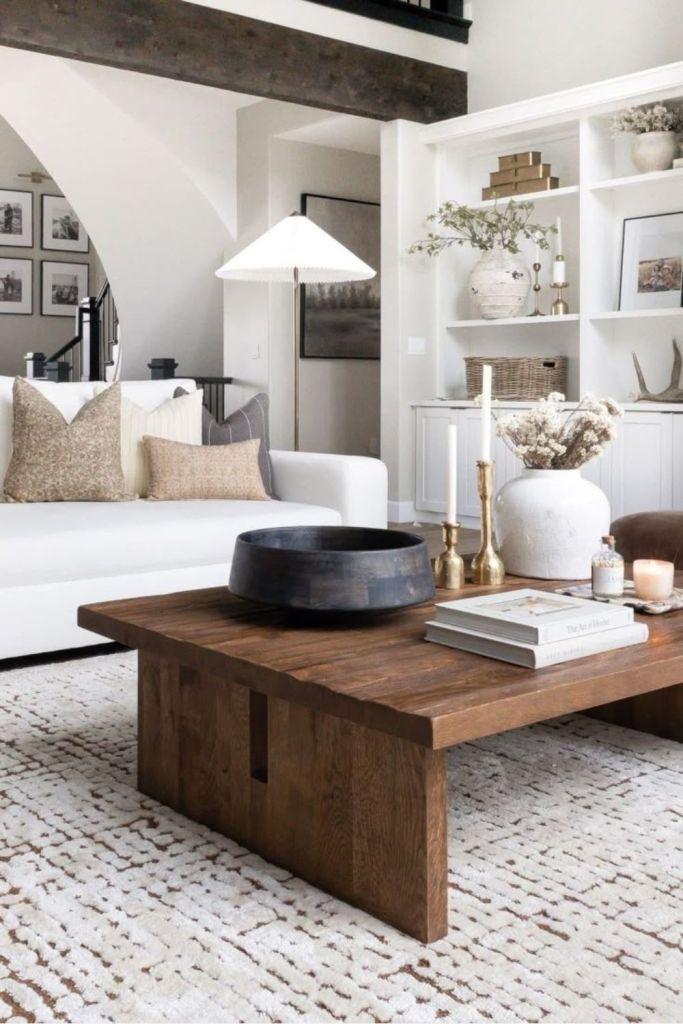
The living room is often the heart of the home and a perfect place to showcase organic modern style. Focus on creating a space that is both functional and calming, using clean-lined furniture softened by earthy textures.
Key elements include:
- Sofas with rounded edges in neutral fabrics such as linen or cotton
- Wooden coffee tables with visible grain or a natural finish
- Minimal accessories with sculptural or handmade qualities
- Warm, layered lighting from floor or table lamps
- Textured rugs such as jute or vintage wool
For more inspiration, read my blog about organic modern living room ideas to see real-life examples and styling tips.
Also, see my organic modern living room Pinterest board!
2. Bedroom
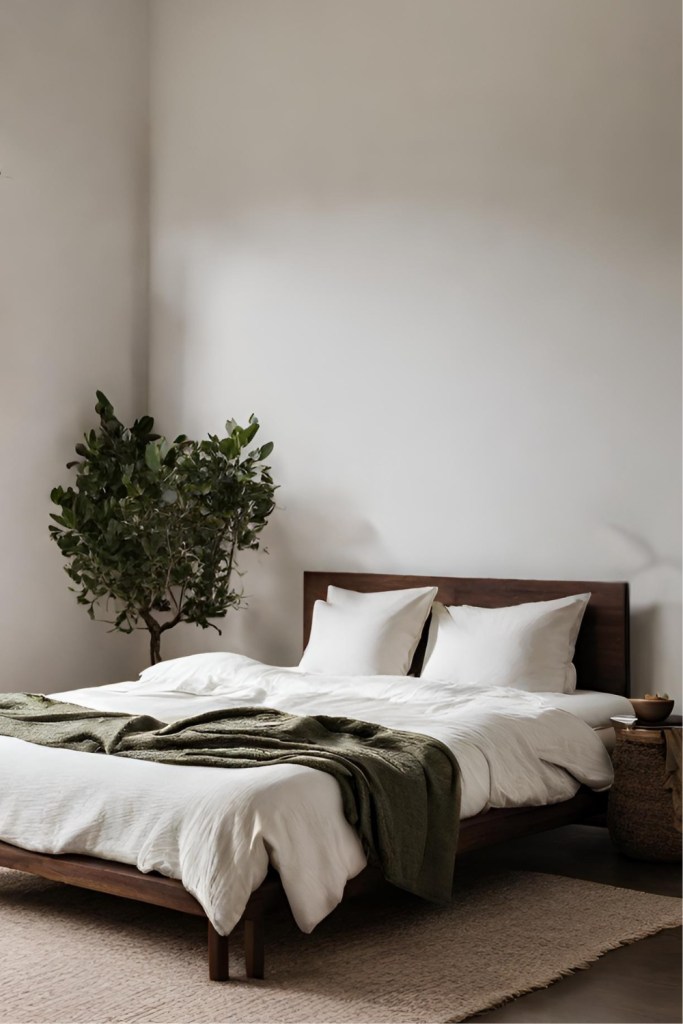
A bedroom styled in organic modern design should feel restful, grounded, and free of visual noise. Choose natural materials that invite relaxation and softness without unnecessary clutter.
Ideas for styling include:
- Linen or cotton bedding in cream, beige, or soft gray
- Bed frames made from light oak, walnut, or reclaimed wood
- Woven baskets or clay lamps for texture and warmth
- Wall art made from natural fibers or handmade ceramics
- Curtains in unbleached linen or layered neutral fabrics
Visit my organic modern bedroom Pinterest board for more inspiration!
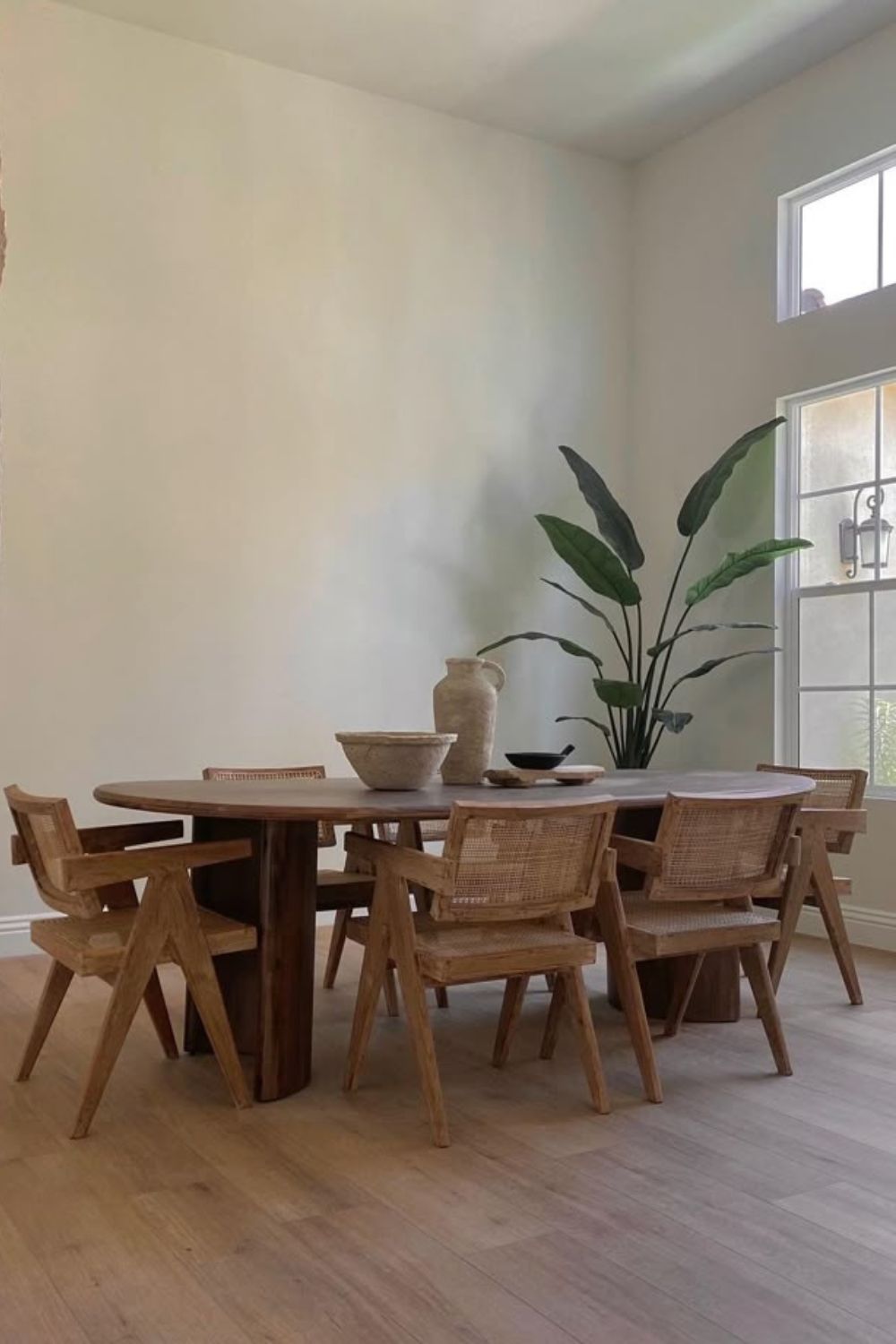
3. Kitchen and Dining Area
In the kitchen and dining space, the organic modern style blends simplicity with warmth. The goal is a space that feels clean, natural, and easy to use.
Styling suggestions:
- Open shelving made from wood or matte metal
- Matte-finish cabinets in white, taupe, or sage
- Stone countertops or ceramic tile backsplashes
- Minimal, sculptural pendant lighting
- Natural wood or black metal dining chairs with soft edges
For more inspiration, read my blog about organic modern dining room ideas to see furniture and styling tips.
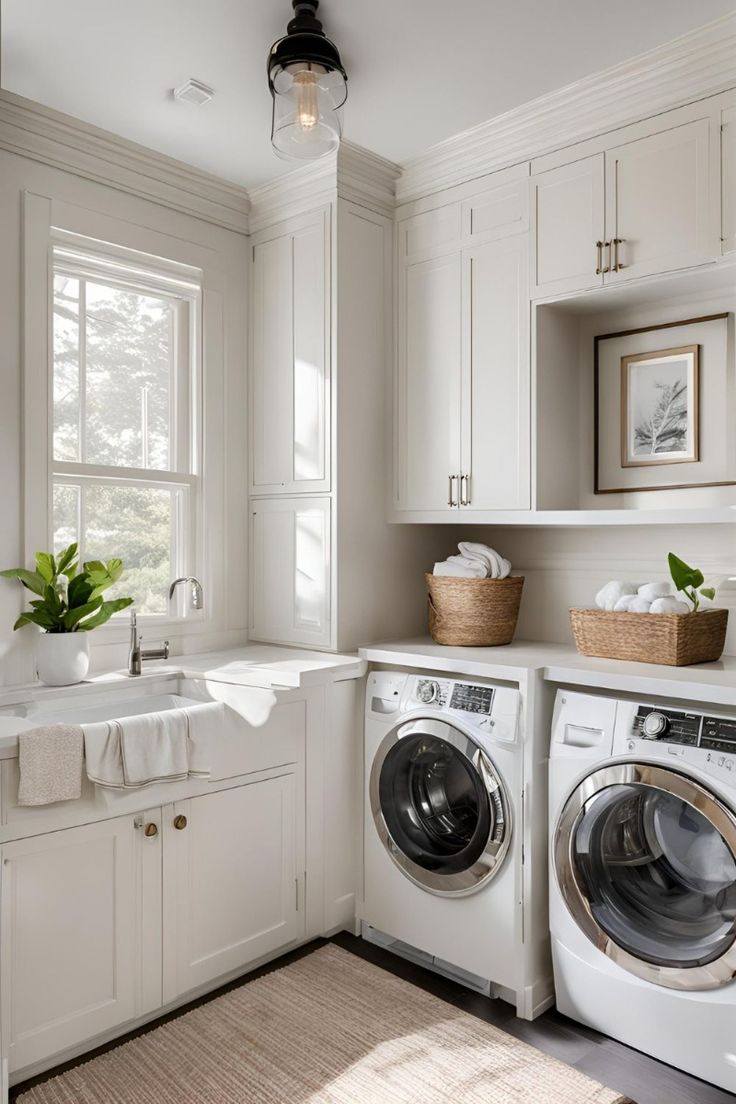
4. Bathroom
Even a small bathroom can reflect organic modern style through thoughtful use of texture and materials. The goal is to create a peaceful and uncluttered environment.
Ideas for achieving the look:
- Use natural stone for countertops, sinks, or accent walls
- Choose fixtures in matte black or brushed brass
- Keep surfaces clean with minimal storage and intentional accessories
- Add texture with a stone soap dish, a clay vase, or a linen hand towel
- Let in natural light whenever possible
If you’re styling your bathroom from scratch, carry over colors and materials from other rooms to keep a cohesive look.

5. Workspace or Home Office
An organic modern workspace should promote focus, calm, and creativity. Instead of a traditional office setup, consider designing a space that blends functionality with serenity.
Ideas for styling include:
- A simple desk in solid wood with clean lines
- A neutral area rug in natural fiber
- Open shelving with plants, ceramic accessories, or handmade objects
- A soft desk lamp in matte black or beige
- Greenery such as olive trees or trailing vines to bring life into the space
Need more inspiration for your home office? Check out my blog about organic modern home office ideas!
Textures That Bring Organic Modern Style To Life
One of the defining features of organic modern style is its subtle use of texture. Because the color palette is typically soft and neutral, texture becomes essential in creating contrast, depth, and visual warmth. It’s what keeps a beige room from feeling flat or sterile.
1. How to Layer Textures for Harmony
Layering is key to making an organic modern space feel inviting and balanced. Each layer adds softness, movement, or structure to the overall look. A good formula to follow in any room is:
Sofa + Rug + Throw + Curtain = Cohesive Texture Story
For example, a linen sofa paired with a jute rug, a cotton throw, and sheer linen curtains can instantly transform a plain space into one that feels grounded and finished. Each element should complement the others, not compete with them.
2. Balancing Rough and Soft Textures
Organic modern style is about balance. Mix rough, structured materials with soft and fluid ones to avoid monotony. This contrast mirrors nature, think of how a smooth stone feels next to a woven basket or how a rough-hewn wood table looks under soft lighting.
Here are some combinations that work well:
- Reclaimed wood with linen upholstery
- Stone surfaces with wool or cotton textiles
- Woven rattan chairs with soft seat cushions
- Clay vases placed on polished wood shelves
These textures work best when layered thoughtfully and repeated across the space to create a sense of cohesion.
3. Real vs Faux Organic Textures
Real natural materials bring an unmatched depth and authenticity to a room. However, faux options can still work well, especially for those on a budget or in high-traffic areas.
When using faux textures, look for high-quality versions with realistic finishes. For example:
- Faux leather or vegan suede in warm brown tones
- Machine-made jute or sisal rugs with a soft backing
- Faux linen curtains with a subtle slub texture
- Textured ceramic-look planters made of resin or concrete
Mixing real and faux textures can help achieve the look and feel of organic modern style without overspending. The key is to maintain a focus on earthy tones and a tactile, natural finish.
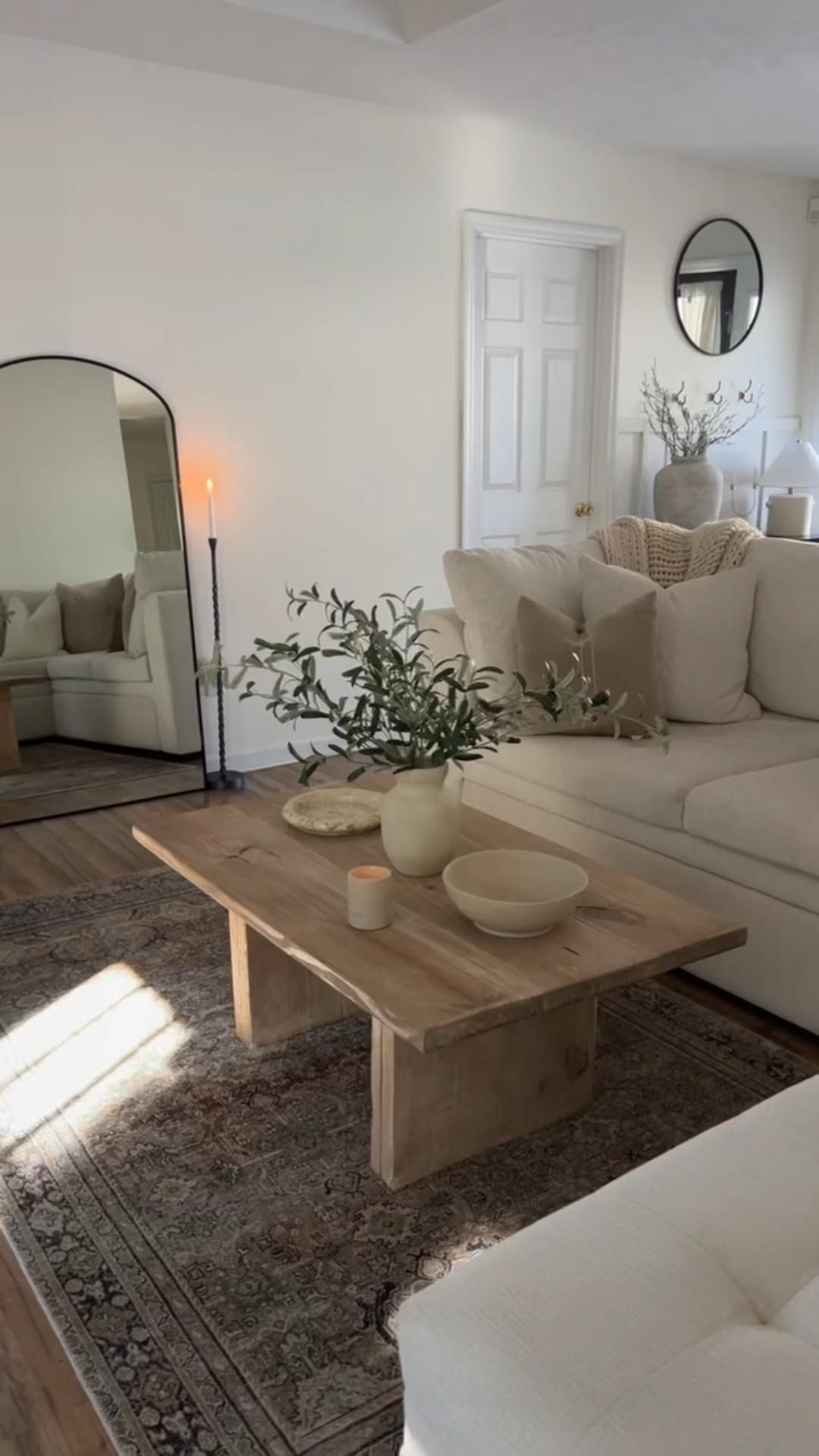
Lighting in Organic Modern Interior Design
Lighting plays a powerful role in shaping the mood of a space, and in organic modern design, it is used to enhance calm, comfort, and connection to the natural world. The goal is to create a space that feels open, warm, and inviting without relying on overly bright or artificial light sources.
1. Natural Light as a Foundation
Whenever possible, organic modern style prioritize natural light. Large windows, glass doors, and skylights help bring the outdoors in, highlighting natural textures and soft color palettes throughout the day.
If your home lacks abundant natural light, maximize what you have by choosing sheer window treatments in linen or cotton, using mirrors to reflect sunlight, and keeping window areas uncluttered.
Natural light not only makes a space feel more open, but also reinforces the connection between your interior and the outside environment, one of the most essential principles of organic modern style.
2. Layered Lighting for a Cozy Atmosphere
In the absence of daylight or to complement it after sunset, layered lighting is essential. Instead of relying on a single overhead source, organic modern style uses multiple lighting types to create depth and mood.
A well-balanced lighting plan often includes:
- Pendant lighting for general illumination, especially over dining tables or kitchen islands
- Floor lamps or table lamps with soft shapes and neutral shades to provide ambient light
- Accent lighting, such as sconces or under-cabinet lights, to highlight textures and architectural details
- Warm-toned bulbs (2700K to 3000K) to mimic the soft glow of natural evening light
This layered approach creates comfort and flexibility throughout the day.
3. Materials and Finishes
In keeping with the style’s emphasis on natural elements and tactile surfaces, lighting fixtures in organic modern homes are chosen for both form and finish.
Common choices include:
- Linen or cotton lamp shades for softness
- Matte black or brushed metal fixtures for contrast and structure
- Clear or frosted glass elements to diffuse light gently
- Natural wood or ceramic lamp bases to add texture and warmth
These materials echo the rest of the room’s design and help lighting feel like an integrated part of the overall aesthetic rather than a separate or decorative afterthought.

Decor Accents and Art
In organic modern style, decor is not about filling space for the sake of decoration. Every object serves a purpose either to add warmth, texture, or a sense of calm. Decorative accents are used with restraint, allowing the natural materials and architecture of the space to take center stage.
1. Embrace Handmade and Natural Pieces
Handcrafted items are essential in organic modern interiors because they introduce texture, imperfection, and individuality. Instead of mass-produced decor, this style favors objects that feel personal and rooted in craftsmanship.
Examples include:
- Ceramic bowls and vases with matte finishes
- Textured or woven wall hangings made from natural fibers
- Abstract or nature-inspired paintings in neutral tones
- Clay candle holders, stone trays, or carved wooden bowls
- Minimalist sculptures with organic shapes
These accents add interest and visual grounding without overwhelming the space.
2. Use of Vases, Baskets, and Textured Art
Some of the most versatile decor items in this style are both beautiful and functional. Large floor vases filled with branches or dried grasses bring movement into a room, while woven baskets serve as both storage and soft contrast to solid surfaces.
Wall art should feel calm and understated. Consider large-scale canvas pieces with layered texture, subtle earth tones, or monochromatic brushwork. You can also leave some walls empty to let the textures and materials of the space breathe.
3. DIY Ideas for Affordable Decor
Creating an organic modern look doesn’t require a high-end budget. In fact, some of the most striking pieces can be made at home using natural or repurposed materials.
Ideas to try:
- Create your own textured wall art using joint compound on canvas
- Paint oversized canvas panels in layered neutral tones
- Upcycle ceramic pieces with matte spray paint for a modern clay finish
- Collect stones, driftwood, or branches to use in centerpieces or small displays
- Weave or knot simple macramé hangings using natural rope or twine
The key is to keep forms simple, tones muted, and textures natural. A few carefully chosen or created pieces can bring depth and character to the room without cluttering the space.
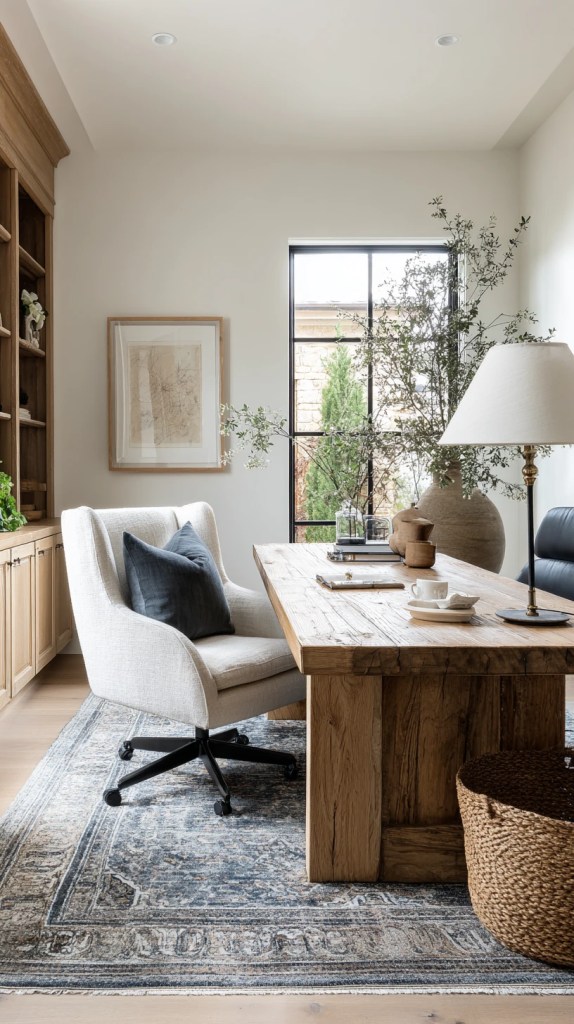
Plants and Greenery: A Must-Have
Plants are one of the most essential elements in organic modern style. They bring life, movement, and a sense of calm to a space while reinforcing the connection to nature that defines the style. Whether you prefer a few large statement plants or several smaller ones scattered throughout your home, greenery adds balance and softness to the clean lines and neutral tones typical of this look.
1. Best Plant Types for Organic Modern Interiors
When choosing plants, consider their visual structure, leaf shape, and ability to thrive indoors. Look for options that feel sculptural but unfussy, and that echo the relaxed, natural aesthetic of the space.
Popular choices include:
- Olive tree: soft leaves, slender trunk, and a distinctly Mediterranean look
- Monstera: large, bold leaves that add movement and texture
- Snake plant: upright, architectural shape with minimal care needs
- Fiddle leaf fig: tall and leafy with a slightly dramatic silhouette
- Pothos or philodendron: trailing vines that soften corners or open shelves
Larger plants often work well as focal points, while smaller ones can be used to fill empty corners, open shelves, or tabletops.
2. Pot Materials That Match the Style
The container you choose for your plant is just as important as the plant itself. In organic modern style the pot should feel like a natural extension of the space rather than a decorative afterthought.
Recommended materials include:
- Terracotta for its warm, earthy tone and classic texture
- Concrete for a minimalist and grounded feel
- Ceramic in matte finishes, either glazed or unglazed
- Woven baskets for added texture and softness
- Stone or reclaimed wood planters for organic variation
Stick with neutral or earthy colors and natural finishes. Avoid overly shiny or colorful pots, as they can interrupt the cohesive look of the room.
3. Real vs Faux Greenery and Placement Tips
While real plants are ideal for their movement, air-purifying qualities, and authentic feel, faux options can still be a great solution, especially in low-light areas or for those who travel frequently.
Tips for incorporating greenery:
- Use real plants near windows, on coffee tables, or by the entryway
- Place faux plants in corners that need height but get little light
- Use large plants to soften empty walls or balance out furniture
- Group smaller plants together in odd numbers for a natural look
- Let greenery trail from open shelving or hang from the ceiling to add softness overhead
Whether real or faux, the goal is to add organic shape and visual flow without cluttering the space. Even a single well-placed plant can make a room feel more alive and complete.
Final Words
In a world that often feels rushed and overstimulating, organic modern style offers something deeply needed peace, grounding, and simplicity. It brings nature indoors not just through materials and textures, but through a feeling of calm that lasts beyond any trend cycle.
This style is not about perfection. It’s about intention. It invites you to slow down, choose thoughtfully, and create a home that reflects how you want to feel, not just how you want your space to look.
You don’t have to transform your entire home overnight. Start small. Add a natural rug, replace one light fixture, or bring in a favorite plant. Over time, those subtle shifts will create a space that feels calm, connected, and entirely your own.
Loves, B.
Frequently Asked Questions About Organic Modern Style
1. What is modern organic interior design?
Modern organic interior design is a style that blends clean, modern lines with natural materials like wood, stone, linen, and clay. It creates a calm, uncluttered space that feels both elegant and grounded in nature. This style focuses on neutral colors, soft textures, and simple forms, making it ideal for anyone who wants a home that feels peaceful and timeless.
2. What are the colors for modern organic style?
The color palette of modern organic style is inspired by nature. It typically includes warm neutrals like beige, cream, white, soft gray, and taupe. Accent colors often include sage green, olive, rust, and matte black. These tones work together to create a space that feels serene, warm, and cohesive.
3. What is the difference between mid-century modern and organic modern?
Mid-century modern is rooted in 1950s and 1960s design and features bold colors, geometric shapes, and sleek furniture. Organic modern style, while also influenced by that era, emphasizes natural materials, earthy colors, and a softer, more grounded aesthetic. Organic modern feels warmer and more connected to nature, while mid-century modern tends to feel more polished and retro.
4. What is the difference between farmhouse and organic modern?
Farmhouse style features rustic charm, distressed wood, and vintage-inspired decor. It often includes shiplap, wrought iron, and a more decorative approach. Organic modern style, on the other hand, is more minimalist and refined. It favors raw, unprocessed materials and a neutral palette without the country-themed accents. Both styles value natural materials, but organic modern is more streamlined and subtle.
 Loves From Bet
Leave a comment